

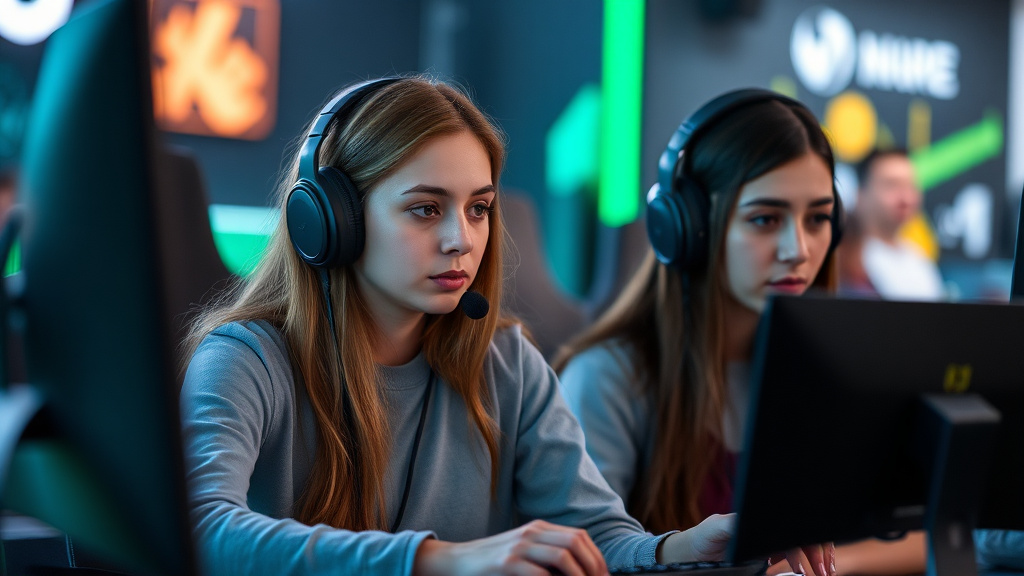
For years, esports remains synonymous with male-dominated spaces, but a powerful shift is underway. Women gamers are breaking down barriers and establishing their position in professional esports, challenging outdated perceptions and inspiring a new generation. From tournament victories to executive positions, the female gaming initiative is transforming an industry historically marked by exclusion. This article explores the groundbreaking achievements, persistent obstacles, and significant influence of women competitors redefining the gaming landscape worldwide.
Growing Female Engagement in Professional Gaming
The terrain of esports competition has experienced significant transformation over the past decade. Women’s involvement in esports has grown substantially, with women now representing a significant portion of the gaming community. Leading competitions increasingly feature female competitors, and viewership of women-led esports content keeps rising. This expansion demonstrates evolving perspectives within the industry and society at large, demonstrating that talent knows no gender. The momentum is unmistakable, as increasing numbers of women find chances to participate at the highest levels.
Statistical evidence underscores this positive trajectory in women’s gaming participation. Industry reports show that female esports players have grown exponentially, with some regions reporting participation gains surpassing fifty percent in the past few years. Prize pools dedicated to women’s competitions have grown significantly, drawing top-tier talent and sponsorship investment. Educational programs and grassroots initiatives now actively promote girls to engage in competitive gaming from an early age. This infrastructure development supports long-term expansion and establishes routes for future generations of female esports professionals.
Professional opportunities for women in gaming have multiplied across various titles and platforms. Major esports organizations now consistently pursue female talent, recognizing their potential and market value. Streaming platforms have amplified female voices, allowing women gamers to build substantial audiences and become influential figures. Sponsorship deals and endorsement opportunities have become increasingly accessible to talented female players. These developments indicate genuine industry commitment to diversity and fair inclusion in competitive gaming.
The psychological influence of increased female participation extends beyond individual achievement. Younger women now have visible examples to follow to inspire their gaming aspirations and professional goals. Communities have formed where female gamers assist and guide each other, creating networks of solidarity and mutual encouragement. This sense of belonging improves player retention and builds loyalty within the esports ecosystem. The cascading impacts continue to shift understanding of who belongs in competitive gaming spaces.
Tournament structures have changed to better serve and celebrate female competitors more effectively. Dedicated women’s tournaments coexist with mixed-gender competitions, providing multiple routes to achievement and visibility. Top esports firms have created female rosters with substantial budgets and comprehensive professional backing. On-air representation of matches featuring female players has improved significantly, ensuring recognition and legitimacy. These organizational shifts demonstrate formal acknowledgment of women’s contributions to esports.
Looking ahead, the path of women’s involvement in esports competition appears growing more promising. Young female players entering the esports scene today encounter significantly fewer obstacles than their predecessors. Sustained investment in initiatives focused on women and inclusive policies will help propel this positive momentum. As more women establish themselves as top competitors and influencers, the industry inches toward genuine gender parity. The growing wave of female participation represents more than just advancement, but a fundamental reimagining of esports culture.
Hurdles and Challenges Women Experience in Esports
Harassment and Toxic Gaming Culture
Women in esports encounter widespread abuse that extends far beyond casual gaming. Digital harassment, including derogatory comments to coordinated harassment campaigns, creates unwelcoming spaces that prevent involvement. Many female players describe getting threatening messages, discriminatory comments, and unwanted attention during tournaments and streaming sessions. This harmful environment not only affects mental health but also pushes skilled female players out of competitive gaming entirely.
The anonymity of digital spaces encourages perpetrators, complicating enforcement efforts. Gaming communities often normalize sexist conduct, treating harassment as an inevitable part of the experience. Tournament organizers and platform moderators have struggled to implement robust moderation systems. Without meaningful behavioral changes and stricter moderation policies, this abuse problem continues limiting women’s involvement and progress in professional esports.
Lack of representation in Professional Teams and Sponsorships
Female players experience considerable barriers obtaining spots on competitive esports rosters and acquiring lucrative sponsorships. Organizations commonly underestimate women’s market appeal and competitive capabilities, creating reduced prospects and lower salaries versus male counterparts. Sponsorship deals stay primarily concentrated on male-dominated teams, limiting funding provided to female competitors. This disparity reinforces the perception that women’s esports are less market-attractive.
The absence of representation creates a self-perpetuating cycle where reduced female participation in professional roles deters aspiring female gamers. Investment in women’s esports infrastructure stays limited despite expanding viewer engagement. Many talented players struggle to sustain careers due to limited financial resources. Addressing unequal sponsorship distribution requires industry stakeholders to acknowledge women’s esports’ unrealized opportunities.
Lack of Media Visibility and Coverage
Women’s esports achievements get disproportionately less media attention than men’s tournaments, restricting prominence and audience participation. Large-scale competitions featuring female athletes often have insufficient media visibility, consigning them to secondary platforms or scant reporting. This underrepresentation perpetuates false beliefs about women’s competitive abilities and passion for esports. Mainstream media outlets rarely highlight female esports top players, overlooking opportunities to motivate the next generation.
The unequal coverage substantially influences sponsorship opportunities and long-term career viability for female professionals. Without proper media representation, female players have difficulty building personal brands and audience followings essential for commercial success. Journalists and content creators need to actively elevate women esports achievements and stories and accomplishments. Enhanced visibility would attract more competitors, sponsors, and audiences, dramatically changing the sector’s structure and building pathways for upcoming players.
Organizations and Movements Creating Impact
Focused Support Resources
Multiple organizations have emerged to champion women in esports, offering critical support and resources. Groups like Women in Games International and Dignitas Female deliver guidance, professional networking, and advancement opportunities. These initiatives create safe spaces for female gamers to build relationships, share experiences, and partner. By building solidarity and solidarity, these organizations enable female players to excel within the gaming arena with conviction and drive.
Tournament organizers are increasingly creating women-focused tournaments and leagues. Events like the VALORANT Women’s Ignition Series and CS:GO female tournaments offer exclusive venues for female players to display their abilities. These tournaments produce significant viewership and sponsorship interest, proving the commercial viability of women’s esports. Such efforts recognize female gamers’ skill levels while securing investment and media attention to the women’s gaming sector.
Corporate Collaborations and Partnerships
Major gaming corporations and organizations are acknowledging the importance of supporting female talent. Collaborations among esports groups and companies have resulted in substantial funding for female-focused teams and initiatives. Organizations such as Intel and Red Bull have committed resources to programs advancing gender diversity in gaming. These business collaborations increase exposure, ensure funding security, and validate women’s involvement in professional esports ecosystems globally.
Educational institutions are also joining the movement by launching esports initiatives with women-focused programs. Universities now provide financial aid designed for female players, establishing routes to professional careers. Educational validation of esports establishes industry legitimacy while creating possibilities for women to enhance competitive expertise. These organizational initiatives reflect a significant transformation in how society acknowledges and encourages female participation in gaming.
Community-Focused Campaigning
Grassroots initiatives and social media campaigns have boosted voices pushing for gender equality in esports. Online communities dedicated to supporting female gamers exchange information, celebrate achievements, and challenge discriminatory behavior. Social media hashtags and visibility initiatives highlight systemic issues while promoting positive change. These community-driven efforts create accountability and push organizations to implement meaningful inclusion measures and safeguards against harassment.
Content creators and content broadcasters play pivotal roles in promoting female involvement in gaming. Female streamers with substantial followings demonstrate gaming excellence while fostering inclusive communities. Their platforms counter stereotypes and encourage younger women to take up competitive gaming. By presenting genuine gaming content and addressing industry challenges publicly, these digital personalities catalyze social transformation and promote greater inclusion of women in esports.
