

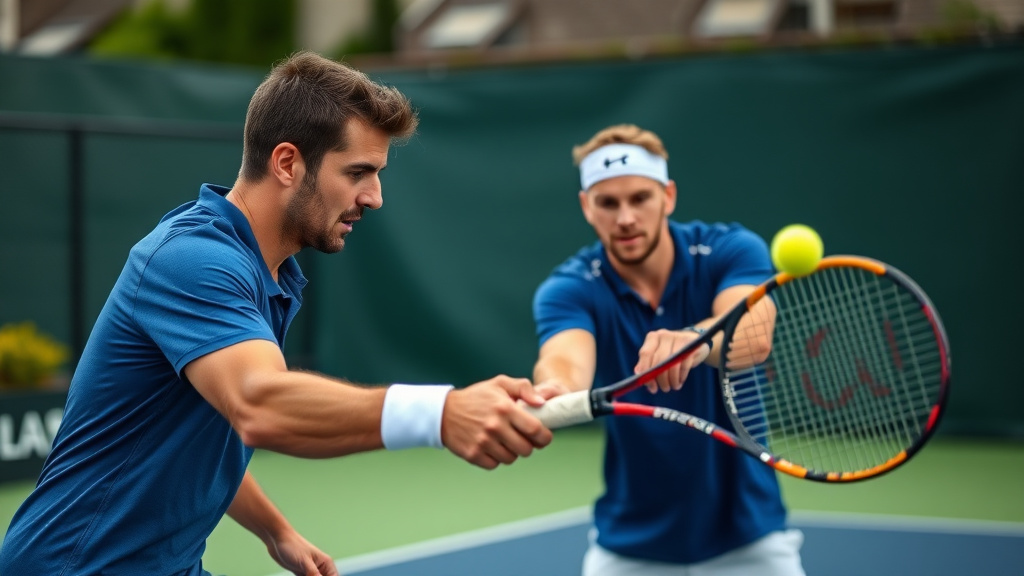
What sets apart Wimbledon champions from the rest of the tennis world? Beyond natural ability and competitive drive lies a carefully guarded arsenal of coaching techniques that enhance their performance to extraordinary levels. In this exclusive exploration, we reveal the intensive training regimens, innovative practice techniques, and psychological conditioning approaches utilized by tennis’s top performers. Discover how champions fine-tune their serves, achieve rapid court mobility, and maintain peak performance under pressure—insights that explain how these athletes regularly command the grass courts of SW19.
High-Level Physical Preparation Techniques
Wimbledon champions employ modern conditioning approaches that transcend standard training practices. These elite athletes utilize periodized training cycles that strategically alternate between vigorous training sessions and rest periods. By manipulating training variables such as workload, exertion level, and timeframe, players enhance their cardiovascular capacity and muscle stamina. Sport scientists working with top players have developed customized training programs that target the specific demands of play on grass courts, helping players sustain dynamic strength throughout lengthy five-set contests while lowering injury likelihood.
Resistance training represents a key pillar of modern Wimbledon readiness, with champions focusing on movement patterns that improve court performance. Rather than conventional weight training, these players focus on compound exercises that develop stability, rotational power, and side-to-side mobility. Medicine ball work, plyometric exercises, and resistance band work develop the kinetic chain essential for explosive serving and swift movement transitions. Coaches meticulously program these workouts to complement match play training, ensuring players build the muscular endurance needed to execute demanding shots consistently during tournament play.
Recovery protocols separate champions from competitors, as elite players understand that improvements happen throughout recovery windows. Wimbledon-bound athletes implement advanced recovery techniques such as cold therapy, contrast water therapy, and specialized massage therapies. Optimizing sleep proves essential, with many champions following rigorous sleep routines and using sleep tracking technology to track rest quality. These detailed recovery methods speed up muscular recovery, minimize swelling, and enhance mental clarity—critical factors when competing in back-to-back matches across fortnight-long tournaments.
Range of motion training receives unprecedented attention in contemporary elite competition. Champions commit considerable effort to dynamic stretching routines, yoga sessions, and specialized movement drills that preserve peak flexibility levels. This forward-thinking method prevents common tennis injuries while improving mobility performance across the court. By maintaining superior flexibility, players deliver skilled shots with greater precision and reduce compensatory movement patterns that produce susceptibility to injury. Structured flexibility training guarantee athletes stay durable throughout demanding competition calendars.
Sport-tailored training drills replicate competitive pressures with remarkable accuracy, conditioning top performers for tournament intensity. Coaches create on-court training exercises that reproduce point structures, movement patterns, and physical demands encountered in tournament play. This work utilize interval training principles, switching explosive efforts with short rest intervals that replicate real competition pace. By training the energy systems in competition-simulated environments, athletes build superior work capacity and psychological resilience vital for navigating pressure-filled moments.
Metabolic testing and biometric monitoring have revolutionized how elite athletes optimize their physical preparation. Top-tier competitors undergo routine lactate threshold assessments, VO2 maximum evaluations, and body composition measurements to monitor fitness advancement. Live tracking systems deliver coaches with instant feedback on player exertion levels during practice sessions, enabling accurate calibration of training intensities. This evidence-based method eliminates guesswork, enabling customized training protocols that maximize athletic improvements while reducing overtraining and burnout during critical tournament preparation phases.
Psychological Strength and Psychological Strategies
Mental fortitude separates Wimbledon champions from their opponents. Elite players cultivate psychological frameworks that allow them to maintain composure during critical moments, converting pressure into performance advantages. Through structured psychological training, champions foster unwavering conviction, emotional management, and the capacity to bounce back from setbacks rapidly. These psychological approaches prove as crucial as physical conditioning, allowing players to deliver with precision when stakes are highest and opponents are strongest.
Visualization and Concentration Practice
Wimbledon champions use advanced visualization techniques to mentally rehearse matches before taking to the court. This practice encompasses vividly imagining effective shot-making, anticipated opponent responses, and various match scenarios. By regularly visualizing optimal performance, athletes strengthen neural pathways that facilitate optimal execution during actual competition. Champions invest substantial time in mental rehearsal sessions, treating mental rehearsal with the same intensity and dedication they apply to strength and conditioning, consequently boosting match preparedness and competitive confidence.
Concentration training constitutes another pillar of psychological preparation for elite tennis players. Champions build laser-sharp concentration abilities, eliminating mental distractions and maintaining singular attention on each point. Through meditation and mindfulness practices combined with focus drills, players develop their mental capacity to remain present and engaged throughout complete matches. This enhanced mental focus enables champions to make split-second decisions, adapt their approach, and sustain emotional stability during demanding match situations on grass courts.
- Controlled breathing manage stress response throughout high-pressure matches
- Affirmative self-messaging builds mental resilience and self-assurance
- Routine development establishes mental stability and performance cues
- Competitive pressure practice builds competitive mental resilience
- Mindfulness training improves present-moment awareness and focus
Sports psychology experts work directly with Wimbledon champions, developing tailored mental frameworks aligned with individual playing styles and psychological profiles. These professionals perform ongoing assessments examining performance metrics, detecting mental tendencies, and implementing targeted interventions. Champions document their mental processes monitoring emotional responses, concentration intensity, and psychological triggers during tournaments. This evidence-based method to mental training promotes sustained progress and maximum psychological fitness for competitive achievement.
Specialized Court Abilities and Tactical Mastery
Grass Surface & Court Mastery
Wimbledon’s grass courts necessitate dedicated preparation that surpasses traditional hard court preparation. Champions commit significant hours to grass-specific drills, working on genuine grass courts to grasp how the ball moves differently. The lower friction and increased pace necessitate adjusted footwork, adjusted serving methods, and refined approach shots. Elite players examine grass court mechanics in detail, examining bounce characteristics and trajectory changes. This intensive surface training commences well ahead of the tournament, confirming their muscle memory and tactical knowledge correspond exactly with Wimbledon’s unique playing conditions and challenging conditions.
Tactical court placement becomes paramount on grass, where court positioning errors result in immediate punishment. Champions develop outstanding predictive abilities through targeted practice sessions that emphasize early movement and aggressive net play. Their training incorporates high-speed reaction exercises and simulated match scenarios specific to grass conditions. Mental preparation centers around embracing the surface’s unpredictability while maintaining composure during rallies. Advanced footage review technology help players identify optimal positioning patterns, court coverage strategies, and movement efficiency. This comprehensive approach transforms possible vulnerabilities into competitive advantages, allowing champions to leverage grass court dynamics while minimizing their opponents’ opportunities.
Tactical Serve Development and Placement Precision
The serve represents tennis’s most controllable shot, and Wimbledon champions invest countless hours perfecting its execution. Their coaching systems focus on serve variety, creating different velocity levels, spins, and placements to keep opponents guessing. Champions work on positioning with exacting detail, focusing on specific court zones repeatedly until accuracy becomes automatic. Sophisticated technical assessment determines optimal serving mechanics, maximizing both power and consistency. Training includes pressure situations replicating competitive play, ensuring serves remain reliable during key points. This systematic process develops the serve into a dominant weapon, often winning points outright or setting up better opportunities for follow-up shots.
Tactical serve placement extends beyond basic power hitting, incorporating tactical court positioning and opponent analysis. Champions extensively analyze how opponents return serves, identifying weaknesses and preferences that inform serve placement decisions. Training sessions feature simulated match scenarios where players work on choosing serves based on specific game situations, opponent positioning, and tactical objectives. Mental preparation emphasizes confidence in serving, allowing players to execute planned strategies under pressure without hesitation. This sophisticated approach views serving like a chess-like tactical element rather than merely a stroke, providing champions with reliable edge in competition across tournament matches.
Net Court Mastery and Net Volley Skill
Clay-free playing surfaces encourage attacking at the net, causing Wimbledon champions to cultivate exceptional volley skills through rigorous focused instruction. Their workout routines include thousands of repetitive volley drills, developing feel, reaction time, and positioning sense essential to net control. Champions train at various distances from the net, working on shot angles, depth placement, and protective positioning. Advanced footwork drills strengthen their ability to reach difficult volleys while preserving stability and repositioning ability. Match strategy work emphasizes decision-making at the net, instructing players whether to go on offense or stay defensive. This thorough net skill development converts net-level chances into reliable point-winning positions, fundamentally altering competitive flow to the champions’ advantage.
Moving from baseline to net necessitates smooth implementation, a skill elite Wimbledon players refine continuously throughout their training cycles. Champions drill approach shots extensively, building consistency and placement precision that sets up favorable net positions. Training includes footwork patterns that highlight effective court movement while maintaining aggressive court position. Mental conditioning emphasizes belief during net approaches, empowering players to dedicate themselves to aggressive strategies without hesitation. Sophisticated tracking technology measure transition effectiveness, revealing trends and areas for growth. This holistic method transforms transition play from occasional tactical option into a consistent, commanding element of top competitors’ tactical toolkits throughout Wimbledon competition.
